Key Takeaways
Boat lifts eliminate the need for traditional trailers by keeping your boat elevated above water, making access easier and reducing maintenance caused by constant water exposure.
A lift provides added security by protecting your hull from algae, waves, and seasonal weather, especially important in saltwater environments where corrosion can rapidly deteriorate a boat’s performance.
With fast launch times—typically under three minutes—and compatibility with various dock types, boat lifts offer unmatched convenience and long-term vessel protection.
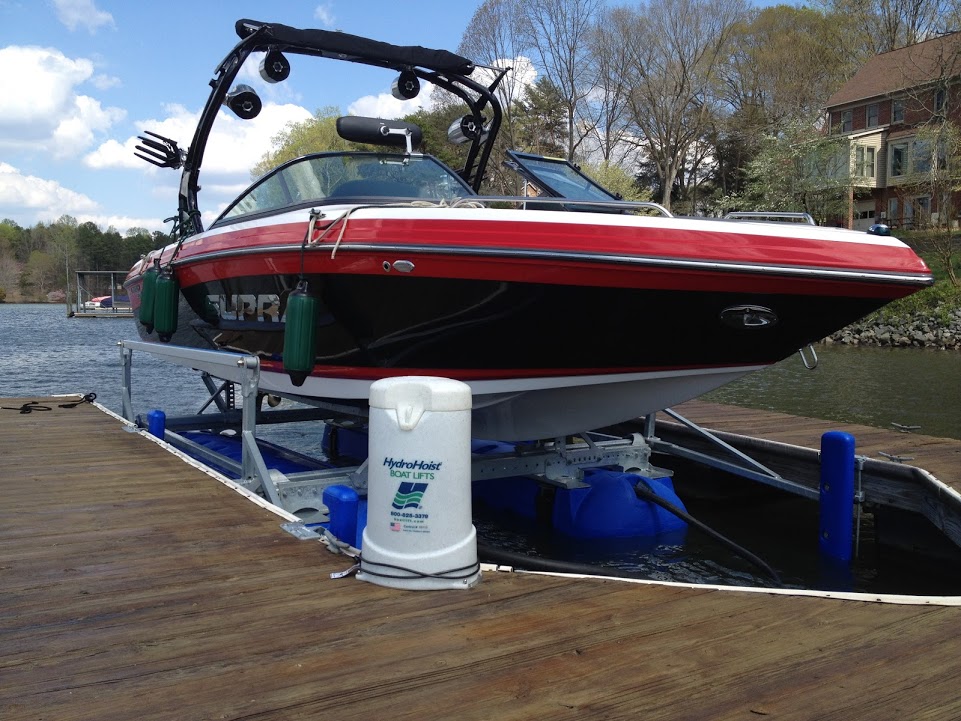
If you own a boat, what do you prefer: boat trailers or boat lifts? Boat owners and boating enthusiasts have raved about the HydroHoist boat lift. For those who do not know, this boat lift is manufactured by HydroHoist, the largest and most well-known manufacturer of hydro-pneumatic boat lifts. Established in 1964, HydroHoist has been the leader in the industry consistently providing the best, most reliable saltwater and freshwater boat lifts.
So, why are boat lifts growing in popularity? How do they differ from the trailering option?
Ease of Use
Boat lifts, such as the HydroHoist hydropneumatic boat lift, are easier to use than traditional boat trailers. Instead of trailering a boat back and forth between the water and land, lifts allow owners to do just as the name suggests – lift their boats out of the water. Because of their ease of use, boat lifts are not merely something boat owners want to buy, they are something every boat owner has to buy. Simply put, boat lifts are the practical option for anyone trying to keep their boat dry, clean and protect without having to deal with the hassle of cumbersome trailers.
Protection and Security
Boat lifts offer a level of protection and security that simply are not offered with traditional trailers. When hooked up to a trailer, the boat remains exposed and vulnerable to seasonal weather changes that can harm the overall structure of the boat. With lifts, boats are dry docked in a secure manner that protects the hull from the wind, rough waves, marine growth, algae, and other elements that would otherwise harm the integrity, value, and performance of the boat. Additionally, boat lifts for use in saltwater are designed to withstand the harsh abuse of the ocean and protect boats from the harmful effects of saltwater on a boat.
In terms of security, boat lifts offer owners peace of mind knowing their boat will be safely dry docked until it is time to take it out on the water.
Convenience
Boat lifts are more convenient than trailers. With the flip of a switch, a boat can be launched from the lift in a short period of time, most only take about three minutes to launch or dry-dock. The efficiency and user-friendly features included with HydroHoist boat lifts, allow boat owners to spend more time enjoying the water.
As a bonus, the HarborHoist Salt Water Boat Lift can be simply tied to a dock with ropes and is compatible with a variety of different docks, including floating and fixed docks.
Conclusion
Considering the downsides of traditional trailers, many boat owners are deciding to skip the hassle. With many boat lifts to choose from, it makes sense to instead choose HydroHoist Boat Lifts.
FAQs
Why choose a boat lift over a trailer for storage?
Boat lifts reduce the hassle of launching and trailering, and they offer better protection against marine growth, weather damage, and theft. Boats stored on lifts stay drier, cleaner, and safer year-round.
Are boat lifts difficult to use compared to trailers?
Not at all. Most models operate with a switch and can raise or lower a boat in a matter of minutes. They’re especially easy for solo boaters or frequent users.
Do boat lifts work with all docks?
Yes, many modern lifts like the HarborHoist are designed to tie easily to floating or fixed docks, making them a flexible option for various shoreline setups.
What are the long-term advantages of using a lift?
Lifts prolong the lifespan of your boat, reduce cleaning and repair costs, and offer quicker, more reliable access to the water than trailers ever could.

