Key Takeaways
Boat lifts must be used within their rated design and load capacity, including hull type and gear weight. Improper use, like lifting incompatible boats or overloading, significantly shortens their lifespan and increases safety risks.
Common factors that reduce lift longevity include improper installation, lack of routine inspection, poor maintenance habits, and exposure to corrosive environments like saltwater or polluted lakes.
A properly trained operator and proactive care—including lubricating cables, checking fasteners, and performing seasonal evaluations—can extend a boat lift’s life by several years and prevent costly damage.
Unassuming but effective: your boat lift is what keeps your boat safe and conveniently next to the water. It saves you from major repairs and maintenance costs on your boat while taking on the brunt of what the elements throw at it. You won’t be able to avoid maintenance on your boat lift altogether. However, you can extend its life and the time in between significant repairs by taking proper care of your boat lift. These five factors will contribute to the life of your boat lift, for better or worse.
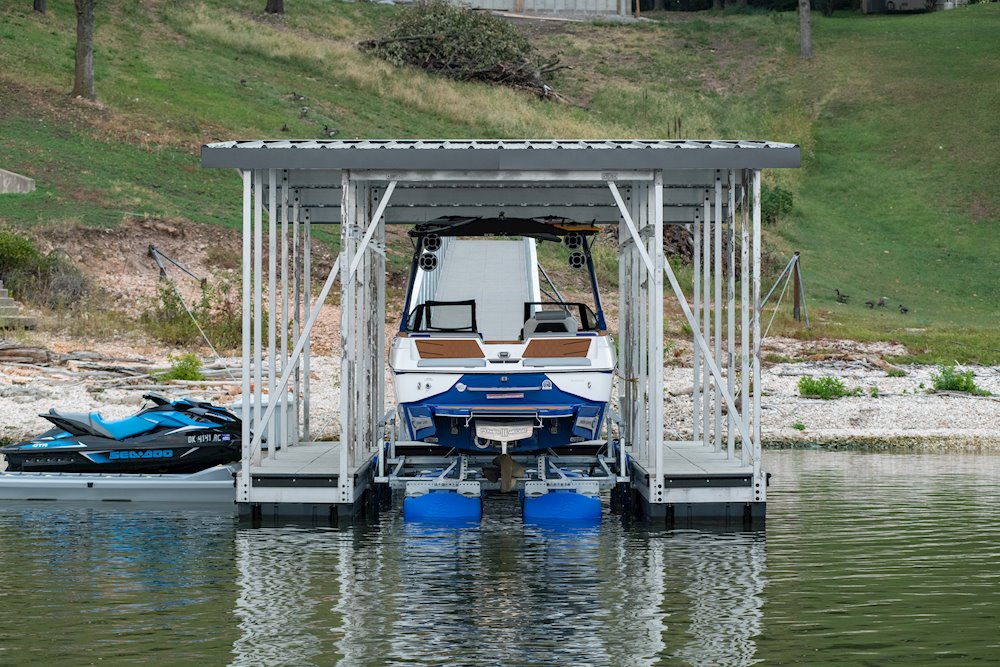
Proper (or Improper) Application
All boat lifts are designed to work under specific conditions. Staying within those limits is crucial to the lifespan of your boat lift and the safety of your boat, as well as the safety of the people on your boat and dock. Lifting a boat with an incompatible hull design can cause damage, not to mention trying to lift it beyond a boat lift’s capacity. Don’t add more weight to your boat while it’s on the lift. Always, remove the plug while it’s on the hoist. And ensure proper weight distribution. If you want to add capacity to your boat lift, consult your dealer before making any changes.
Lack of Training
There’s no shame in needing to learn how to do something, significantly when that something will save you money and stress. Make sure that you know your boat and your boat lift well before you use it. Even if you’re not a professional installer or maintenance person, you should do your homework and know what to look for in terms of damage. You should also know how your boat lift works and under what conditions.
Lack of Timely Maintenance
Proper and frequent cleaning is essential for your boat lift. While an aluminum boat dock can get away with a pressure wash once in a while, your boat lift requires a little more TLC. Do a thorough inspection of the fasteners, hardware, bolts, and other components to ensure that everything is in its place and working properly. If anything is missing or damaged, fix it immediately to avoid further damage and safety hazards. Lubricate cables with penetrating oil instead of grease.
The Environment
Your boat lift is constantly exposed to the water, and while it’s designed to be there, the water can still cause a great deal of damage. Rust is a big threat to most metals, and many metals that stay wet for a long time will rust and shorten your boat’s lifespan. This includes metal cables, beams, cradles, and gearboxes. If your boat lift is in saltwater, corrosion can happen faster as well.
Proper (or Improper) Installation
Whether you’re putting it in the water once or taking it out seasonally, your boat lift needs to be installed properly to work. That means being installed in the correct water depth with components that are installed properly and in good working order, along with a thorough inspection before the boat lift goes into the water. If you’re uncomfortable DIYing your installation, your local boat lift dealer can help. Contact HydroHoist for personalized help with waterfront products, including boat lifts for all waterfronts, boat lift accessories, and installation assistance.
FAQs
What’s the most common reason boat lifts fail prematurely?
Overloading or using the lift with boats it wasn’t designed for is one of the top causes of damage. Boats with incompatible hulls or extra gear weight can misalign the lift structure and create strain that shortens component life.
How does environment affect boat lift lifespan?
Saltwater increases corrosion, especially on cables, fasteners, and motor parts. Areas with strong currents or high algae growth also demand more frequent cleaning and inspections. Freshwater environments offer longer durability but still require regular care.
What routine maintenance extends lift lifespan?
Lubricate cables with penetrating oil, not grease. Check and tighten bolts, look for signs of wear or corrosion, and ensure all moving parts are clean and aligned. Always follow seasonal procedures when storing or reinstalling your lift.
Should I hire a professional for installation or maintenance?
If you're unfamiliar with proper installation depth, weight distribution, or electrical requirements, it's best to have a certified dealer or technician handle setup. Incorrect installation can damage your boat and void warranties.

