Key Takeaways
A future-proof boat lift plan starts with capacity headroom, adjustable fit, and a control system that’s easy to operate and maintain.
Choose lift features that adapt: modular components, accessory compatibility, and setup flexibility for changing hull types.
Water conditions matter—future-proofing includes matching lift style to depth changes, wave action, and dock configuration.
Use a sizing and selection process (not guesswork) to avoid buying twice as your fleet grows.
What “Future-Proof” Means for Boat Lifts
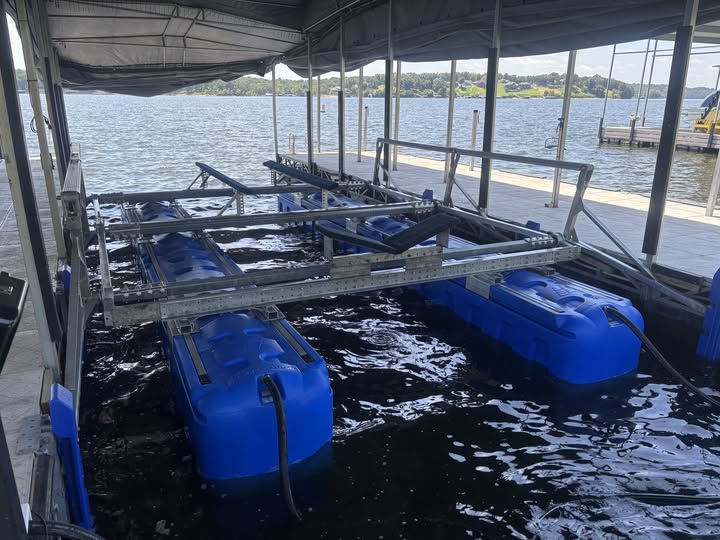
A future-proof boat lift is designed with adaptability and longevity at its core, capable of handling a range of boat designs and sizes and evolving environmental conditions and technical requirements. While more traditional lifts may only suit a specific hull type or weight range, future-proof boat lift systems can be readily reconfigured as boating needs change.
Whether for personal use or commercial applications, investing in a future-proof lift ensures you have a reliable, sustainable solution for storing and protecting boats while minimizing costly replacements.
Start With the Fleet Plan
When evaluating boat lift options, look beyond your current vessel's requirements and assess your long-term boating goals. For those who are looking to build a fleet, for instance, this involves accounting for the types of boats you plan to own, their sizes, weights, and usage patterns. Meanwhile, marina operators might consider the diversity of vessels they serve.
By thinking long-term, you can create a roadmap that anticipates future needs, making it easier to select versatile boat lift types that can adapt as your boating lifestyle—or business—evolves.
Capacity & Sizing Headroom
Boat lifts are rated for specific weight capacities, and choosing one with at least 20-25% more than your boat’s dry weight ensures the lift can safely handle the load, including fuel, water, gear, accessories, and other equipment typically stored onboard, without strain (Ita Yachts Canada, 2024). Many seasoned boaters even recommend opting for the highest-capacity lift you can reasonably afford to account for the possibility of an upgrade.
But to truly achieve a future-proof lift, you must account for critical sizing factors, such as vessel length, beam, height, and draft. While often overlooked, they directly affect how well a boat fits and how safely the lift operates.
For instance, permanent extensions like pulpits, swim platforms, or integrated brackets add weight and shift balance points, which directly affect how the boat sits on the lift. You must also account for T-tops, radar arches, or wakeboard towers if the lift will operate under a roof or structure. Taking these into consideration helps provide the headroom needed for future upgrades or modifications.
Of course, authorized dealers of boat lifts for sale are your best resource for choosing a future-proof lift. They can provide invaluable insights, helping ensure you get a system that can be reconfigured as your boating needs evolve.
Lift Type Match: Choose for Water Conditions, Not Just the Boat
The environment where the lift will operate is just as important as the vessel it will support (BoatU.S., n.d.). Areas with fluctuating water levels, for example, may call for floating boat lifts, while shallow waterfronts may require lifts specifically designed to operate in minimal water depths.
Wave and wake exposure also play a major role. Areas with heavy boat traffic or strong currents demand lifts engineered for stability, with robust anchoring systems that prevent excessive movement.
By choosing a lift type that can handle your waterfront’s specific environmental conditions and seasonal shifts, you get a reliable solution for storing and protecting boats, whether the water is calm in summer or more turbulent during storm season.
Controls & Ease-of-Use Upgrades
A boat lift’s control system directly shapes the user experience, making daily operation effortless and encouraging more spontaneous launches. It’s even more important in multi-user docks and marinas, where intuitive controls reduce confusion, streamline traffic, and ultimately improve customer satisfaction.
For solo boaters, remote controls make launching and docking far easier, eliminating the need to juggle lines or rely on extra hands. Meanwhile, control systems with app integration further elevate the experience, allowing marina operators to monitor and manage multiple lifts from a single dashboard.
Apart from innovative features, look for weather-resistant housings, low-maintenance mechanisms, and marine-grade components to ensure reliability and keep operation smooth season after season.
Adjustability & Modularity
Modular boat lifts feature interchangeable components that can be reconfigured or upgraded as boating needs evolve. Instead of being locked into a single setup, owners can adjust bunks, guides, and cradle positions to fit different hill shapes, ensuring a secure and customized fit for each vessel.
With modular systems, you can replace or enhance individual parts, such as control units, lift arms, or flotation tanks. This flexibility translates to lower costs, less downtime, and a system that can grow with you, whether you’re adding to your fleet or adapting the lift to changing dock conditions.
Accessory Compatibility
Another benefit of modular systems is their compatibility with boat lift accessories that enhance safety, extend usability, and reduce damage risks. Bow stops, centering guides, and dock bumpers, for example, help position boats accurately, mitigating misalignment and protecting hulls during docking.
Meanwhile, canopies provide comprehensive protection from the elements, minimizing the need for frequent cleaning and repairs, ultimately reducing long-term maintenance costs while preserving the boat’s resale value.
Choosing a lift system that accommodates accessories means you can customize and upgrade over time, adapting to new boat types, changing conditions, or evolving preferences.
Maintenance & Serviceability
A future-proof boat lift is one that’s easy to maintain. Whether it’s a system with direct-drive motors that eliminate belts, chains, and pulleys, self-lubricating bushings, or a frame design that keeps all steel parts above the water, a boat lift with intentional engineering choices reduces wear, simplifies maintenance, and extends the system's lifespan.
Of course, you also want a boat lift from a manufacturer with an extensive dealership network. This ensures you get convenient access to parts, service, and support when you need them, reducing downtime and keeping your lift in peak condition season after season.
Maintenance Habits That Preserve Future Value
Rinse Lift Components: Freshwater rinsing helps remove algae, sediment, and barnacles before they harden onto the lift frames, beams, or bunks.
Tighten and Align All Hardware: Seasonal temperature changes can cause bolts to loosen and components to shift. Go over all structural bolts, mounting brackets, and cable alignment points to ensure they’re secure and correctly positioned.
Inspect Bunk Coverings: Protective bunk materials wear over time, potentially exposing your hull to bare metal or wood. Keep an eye out for thinning, cracked, or torn paddings and replace them promptly.
Schedule Regular Servicing: While many day-to-day tasks are DIY-friendly, an annual deep dive by a certified technician ensures structural integrity and keeps your warranty intact.
Buyer Decision Framework
Use this quick checklist to evaluate how well a boat lift meets your long-term needs. Score each category from 1 (lowest) to 5 (highest), then total your score.
Future Plans: Can the lift accommodate not only your current boat but also future vessels or fleet expansion?
Capacity and Sizing: Can the lift accommodate extensions, such as pulpits, swim platforms, or structures like T-tops, radar arches, or wakeboard towers?
Environmental Compatibility: Is the lift designed for your waterfront’s prevailing conditions and typical seasonal shifts?
Ease of Use and Controls: How easy is it to operate the lift?
Adaptability: Can the system be reconfigured or upgraded to suit evolving boating needs?
Accessory Compatibility: Does it support add-ons like guides, canopies, bumpers, and plank kits for added protection and usability?
Maintenance and Serviceability: Is the system designed for easy upkeep, with accessible parts and strong dealer support?
Scoring Guide:
30–35: Highly future-proof, built for long-term flexibility and performance
20–29: Solid option, but may have limitations as needs evolve
Below 20: Likely to require upgrades or replacement sooner than expected
When to Use a Dealer or Tool to Confirm the Right Fit
By this point, you likely have a clear idea of what you need in a future-proof boat lift—from capacity and configuration to environmental compatibility and long-term flexibility. The next step is making sure those decisions translate into the right system for your specific setup.
Use our product finder to evaluate HydroHoist boat lifts for sale. The tool asks you questions, including slip water depth, hull type, watercraft dimensions, and dock setup, and recommends lift configurations accordingly.
If you prefer to consult a dealer in person, enter your zip code in the dealer locator tool below. This will give you a list of authorized HydroHoist partners, along with their contact information and driving directions.
FAQs
What does it mean to “future-proof” a boat lift?
A future-proof boat lift is designed to adapt to evolving boating needs. It should be able to accommodate different hull types, environmental changes, and technical requirements, ensuring long-term usability while minimizing costly replacements.
How much capacity headroom should I plan for with a growing fleet?
While experts recommend a lift with at least 20–25% more capacity than your boat’s wet weight, many seasoned boaters recommend opting for the highest capacity lift you can reasonably afford to account for the possibility of an upgrade.
Which boat lift types work best for changing water levels?
Floating boat lifts are typically best for areas with changing water levels. They rise and fall with the water, maintaining consistent performance without constant adjustments. In fluctuating or tidal environments, this adaptability helps protect your boat and ensures reliable operation year-round.
What features matter most if I might add a pontoon or tritoon later?
Look for modular lifts with adjustable bunks and cradle systems that can be reconfigured for wider beams and multi-hull designs. High-capacity frames, interchangeable parts, and accessory compatibility make it easier to accommodate pontoons or tritoons without replacing the entire lift, saving money and extending usability as your fleet grows.
What boat lift accessories are worth planning for upfront?
We recommend investing in a canopy system to protect your boat from the elements. Even in the best conditions, boats are exposed to fluctuating environments and constant threats from the elements. Sun exposure can fade and damage the hull and upholstery, while rain and wind can cause corrosion and mold growth.
Once canopy protection is in place, consider guides, bumpers, and plank kits to further enhance safety and ease of use.
When should I use a dealer to confirm boat lift sizing and setup?
We always recommend consulting authorized dealers early in the purchasing process. They provide accurate sizing based on your boat’s weight, dimensions, and dock conditions, and ensure proper setup for safety and longevity. Their expertise helps avoid costly mistakes, guarantees access to genuine parts, and supports future upgrades or adjustments.
References:
Ita Yachts Canada (July 4, 2024). The Importance Of Considering A Boat’s Weight When Buying A Boat.,
https://itayachtscanada.com/the-importance-of-considering-a-boats-weight-when-buying-a-boat/
BoatU.S. (n.d.). Keeping your boat on a lift has numerous advantages. But getting it on and off the lift can be intimidating for skippers accustomed to wet slips,
https://www.boatus.com/expert-advice/expert-advice-archive/2024/march/boat-lifts


